

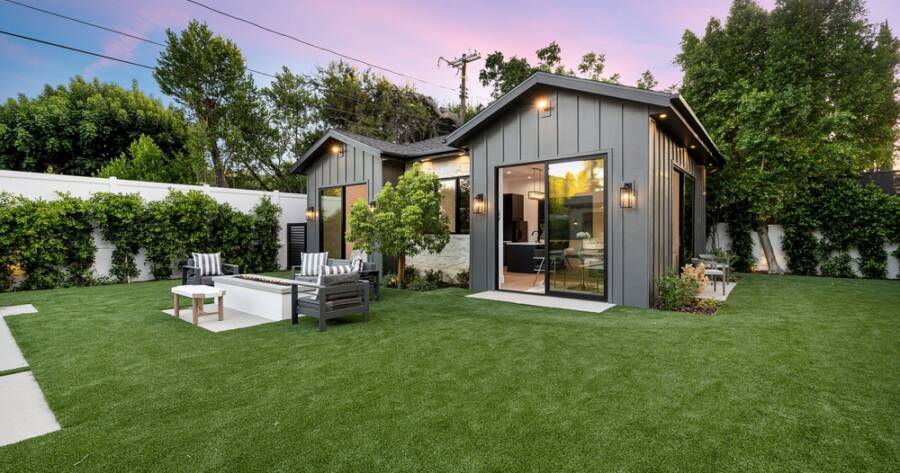
Granny pods, or accessory dwelling units (ADUs), are emerging as a popular solution for housing aging relatives close to family. Small backyard homes offer independence and accessibility, addressing the growing demand for multi-generational living. As families navigate key options, understanding the features, legalities, and financial aspects is crucial for making informed decisions.
Understanding the Rise of Granny Pods
Granny pods, also known as accessory dwelling units (ADUs) or granny flats, are small, standalone homes designed to house aging relatives on a family’s property. These units offer a private and accessible living space close to family members, which is a significant factor in their growing popularity (source).
As the baby boomer generation reaches retirement age, the demand for such housing solutions has increased, driven by a housing shortage and the evolving dynamics of American households that encourage multi-generational living (source).
Features and Benefits of Granny Pods
Granny pods are designed with accessibility in mind, often featuring essentials such as a bedroom, kitchenette, and bathroom. They may also include safety features like nonslip flooring and medical alert systems, making them ideal for seniors who wish to maintain independence while living close to family (source). These units can provide financial benefits by reducing long-term elder care costs, offering a more affordable alternative to retirement homes (source).
Legal and Financial Considerations
The legality of granny pods varies by location, as they are subject to local zoning laws. Many areas allow them as ADUs, but specific permits and zoning restrictions may apply, especially if used for elder care (source).
The cost of installing a granny pod ranges from $20,000 to $100,000 or more, depending on size and features (source). Financing options include savings, loans, or specialized programs for ADUs.
Design Customization and Long-Term Flexibility
One of the lesser-discussed advantages of granny pods is their adaptability over time. While they are often built with senior living in mind, many units can be customized or later modified to serve different purposes as family needs change. For example, features such as wider doorways, step-free entrances, and reinforced bathrooms can support aging in place, while the same structure can later function as a guest house, rental unit, or home office.
This flexibility makes granny pods a more versatile investment compared to single-purpose housing solutions. Families who plan ahead can choose modular designs or layouts that allow for future upgrades, ensuring the space remains useful even after the original occupant no longer requires it. This adaptability can help justify the upfront cost by extending the long-term utility of the structure.
Impact on Property Use and Neighborhood Dynamics
Adding a granny pod can also influence how a property is used and perceived within a neighborhood. In areas where ADUs are permitted, they can increase residential density without requiring large-scale development, making them an appealing solution in regions facing housing shortages. Homeowners may also benefit from improved land use by turning underutilized backyard space into a functional living area.
However, these changes can sometimes raise concerns among neighbors, particularly regarding privacy, parking, and infrastructure strain. As a result, local regulations often include guidelines on placement, height, and occupancy to balance individual property use with community standards. Understanding these dynamics can help homeowners integrate a granny pod in a way that aligns with both legal requirements and neighborhood expectations.
Challenges and Alternatives
While granny pods offer numerous benefits, they also come with challenges such as high upfront costs, space limitations, maintenance responsibilities, and potential ADA compliance issues (source). Alternatives to granny pods include traditional tiny homes, moving in together, home care services, and assisted living communities, each with its own set of benefits and limitations (source).
Why You Should Learn More About Granny Pods
Granny pods represent a thoughtful solution for families looking to keep aging relatives close while maintaining their independence. As housing costs rise and the demand for multi-generational living solutions grows, understanding the benefits and challenges of granny pods becomes increasingly important.
By exploring this option, families can make informed decisions that balance the needs of both seniors and their loved ones, ensuring a harmonious living arrangement that benefits everyone involved.