

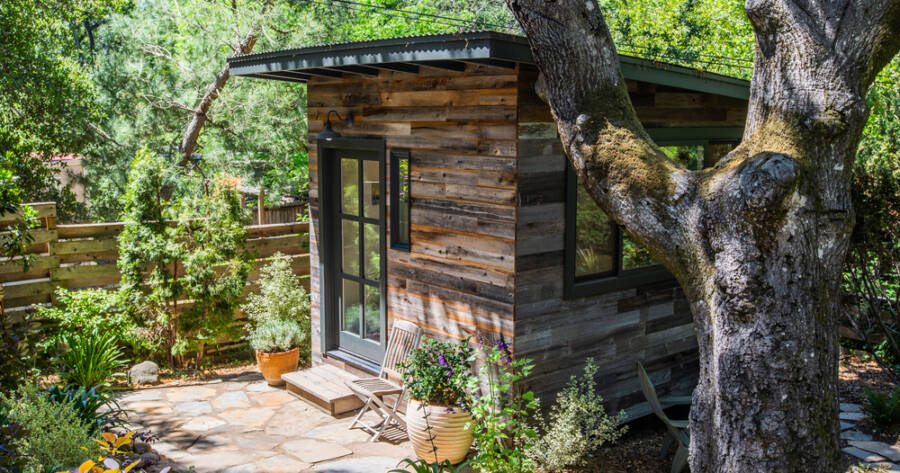
Granny pods, or accessory dwelling units, offer a modern approach to senior living by combining independence with family proximity. Compact homes provide essential amenities and a cost-effective alternative to traditional care facilities. As families navigate granny pod solutions, understanding the benefits, costs, and legal considerations becomes crucial for enhancing seniors’ quality of life.
Understanding Granny Pods: A Modern Solution for Senior Living
Granny pods, also known as accessory dwelling units (ADUs) or MEDCottages, are compact, self-contained homes designed to accommodate older adults. These units are typically set up in backyards or converted spaces like garages, allowing seniors to live close to family while maintaining privacy and independence. Equipped with essential amenities such as a bedroom, kitchenette, and bathroom, granny pods offer a practical solution for senior living (source).
Benefits of Granny Pods
The popularity of granny pods is on the rise due to their numerous benefits. They provide increased companionship, access to family support, and a sense of security for seniors.
By allowing older adults to enjoy privacy and independence while being close to loved ones, granny pods can be more cost-effective than hiring private caregivers or opting for long-term care facilities. Additionally, they may increase property value, making them a financially sound investment (source).
Cost Considerations
The cost of installing a granny pod can range from $20,000 to over $100,000, depending on size, features, and location (source). Despite the high upfront cost, granny pods can be less expensive than traditional nursing homes, where annual costs can quickly deplete a senior’s savings. Moreover, granny pods offer a secure financial alternative, preserving the financial status of seniors and their families.
Legal and Zoning Considerations
Before installing a granny pod, it is crucial to check local zoning laws and HOA agreements. Legal considerations vary by municipality, with some areas requiring medical evaluations, special permits, or temporary status for the dwelling. Compliance with local regulations is essential to avoid potential legal issues and ensure the successful installation of a granny pod (source).
Design and Safety Features
Granny pods are designed with safety and accessibility in mind. They often include features such as handrails, lighted floorboards, and smart technology for temperature and lighting control.
Essential features recommended for granny pods include a bedroom on the main floor, a full bath with a raised toilet, a walk-in shower, grab bars, slip-resistant flooring, and accessible storage solutions. These features ensure a safe and comfortable living environment for seniors (source).
Challenges and Alternatives
While granny pods offer many advantages, there are potential downsides to consider. These include the risk of too much independence leading to neglect, possible neighborhood opposition, high upfront costs, and zoning law restrictions.
Alternatives to granny pods include traditional tiny homes, moving in together, home care services, and assisted living communities. Each option has its own benefits and drawbacks, depending on the senior’s needs and family circumstances (source).
Why You Should Learn More About Granny Pods
Granny pods represent a smart and innovative solution for senior living, offering a balance between independence and family support. As more families seek to keep their elderly loved ones close while cutting care costs, understanding the benefits and challenges of granny pods becomes increasingly important. By exploring this option, families can make informed decisions that enhance the quality of life for seniors while ensuring financial stability.